Date Published: December 8, 2025
Slips and Falls: How Physiotherapy Speeds Recovery for All Ages
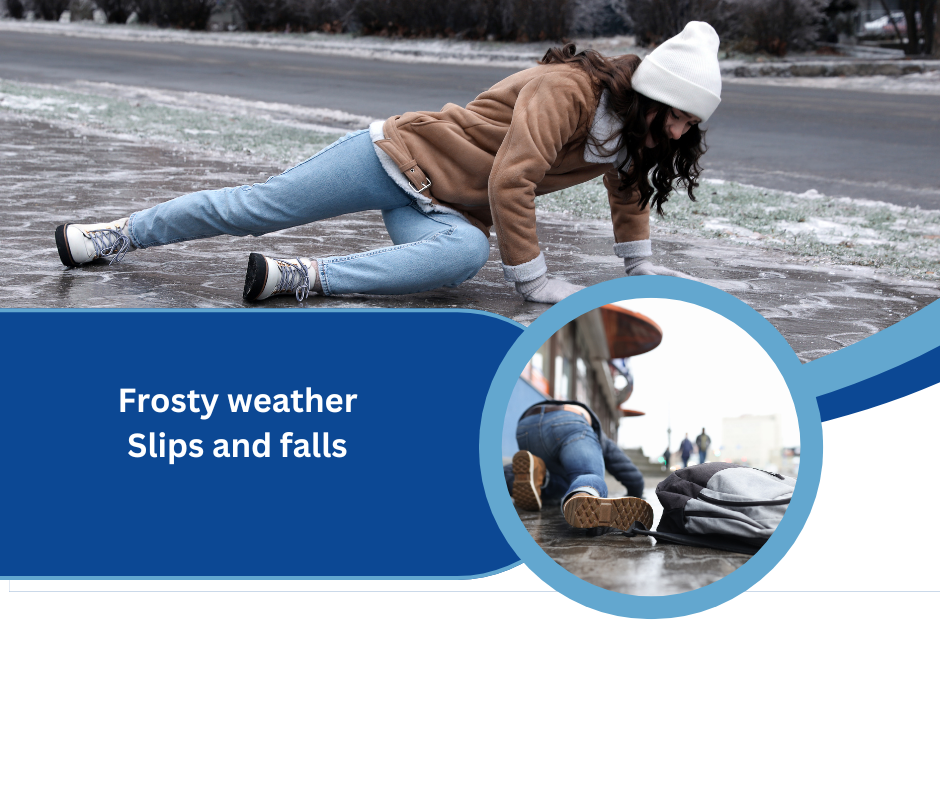
Slips and falls can happen to anyone. A wet floor, an icy pavement, a missed step or a sudden loss of balance can result in a jolt to the body that you simply weren’t prepared for. While some people try to “walk it off”, even a minor fall can lead to muscle strains, joint pain and longer-term problems if not managed properly.
At ESP Physio, we regularly support patients of all ages after slips and falls. With the right assessment and treatment, physiotherapy can reduce pain, restore movement and help you get back to everyday life quickly and safely.
In this article, we’ll break down the most common injuries caused by slips and falls, explain how physiotherapy can help at each stage of recovery, and look at how different age groups are affected – from active teenagers to older adults who may be more vulnerable to serious injury.
Why Slips and Falls Are So Common
Slips and falls remain one of the most frequent causes of musculoskeletal injuries. They tend to happen suddenly, without warning, and often when your attention is elsewhere. A slip occurs when there is too little friction between your foot and the ground, while a fall can follow a trip, misstep, loss of balance or awkward movement.
Typical causes include:
- Wet, icy or greasy outdoor surfaces
- Loose rugs, worn carpets or uneven flooring
- Inappropriate or worn footwear
- Reduced balance or leg strength
- Poor lighting on stairs or outdoor paths
- Carrying heavy or bulky items
- Rushing, multitasking or moving while distracted
Because the body isn’t ready, you instinctively tense, twist, reach out or try to catch yourself. These split-second reactions are exactly what can cause overstretched muscles, sprained joints and sore backs.
Common Injuries Caused by Slips and Falls ▶
Even a “simple” fall can leave you with more than just a bruise. Some problems show up straight away, while others build over the next few hours or days.
1. Muscle Strains
Strains happen when muscle fibres are overstretched or torn. This is very common if you tense up or twist suddenly trying to prevent a fall. Typical areas affected include:
- Lower back
- Neck and upper shoulders
- Hamstrings and thighs
- Shoulder and upper arm muscles
2. Ligament Sprains
Ligaments support and stabilise your joints. When you slip or land awkwardly, a joint can twist beyond its normal range, stretching or tearing the ligament. The ankle and knee are particularly vulnerable. Sprains often cause:
- Swelling around the joint
- Bruising and tenderness to touch
- Pain when you move or put weight through the limb
3. Joint Irritation and Soft Tissue Damage
A direct impact onto the hip, knee, elbow, shoulder or wrist can irritate the joint surfaces and surrounding soft tissue. You might notice:
- Deep bruising and stiffness
- Reduced range of movement
- Discomfort when you try to use the joint normally
4. Back and Spinal Issues
Even if you don’t land directly on your back, the sudden jolt can strain muscles around the spine or compress spinal joints and discs. This can lead to:
- Sharp or aching lower back pain
- Stiffness first thing in the morning
- Pain bending, twisting or lifting
- Sciatica-style symptoms if nerves are irritated
5. Injuries in Older Adults
For older adults, falls can unfortunately be more serious. Reduced bone density, balance changes and weaker muscles increase the risk of:
- Hip fractures
- Wrist and forearm fractures
- Loss of confidence in walking
- Reduced independence over time
Why Physiotherapy Is Essential After a Slip or Fall ▶
Many people assume that soreness after a fall will simply settle on its own. While that’s sometimes true, untreated strains and sprains can lead to ongoing pain, stiffness and compensation patterns, where the body moves differently to avoid discomfort.
1. Early Assessment Prevents Long-Term Problems
A physiotherapist can identify exactly which structures are affected and how your movement has changed. By treating the root cause early, we reduce the risk of:
- Chronic back or neck pain
- Recurring sprains and “weak” ankles
- Poor posture and altered walking patterns
- Overuse problems in other joints
2. Reducing Pain and Inflammation
At ESP Physio, we use a combination of hands-on treatment and targeted techniques to control pain and swelling, such as:
- Manual therapy and joint mobilisation
- Soft tissue and sports massage
- Gentle stretching and guided movement
- Taping or bracing where appropriate
- Advice on ice, heat and pacing activity
3. Restoring Strength and Mobility
Once pain is controlled, the focus shifts to moving well again. Tailored exercise programmes help:
- Rebuild strength in injured muscles
- Improve joint flexibility and range
- Correct movement patterns and posture
- Support a safe return to work, sport or hobbies
4. Improving Balance and Preventing Future Falls
If balance or confidence contributed to the fall, we include specific exercises to train:
- Single-leg balance and stability
- Core strength and control
- Coordination and reaction time
This is particularly important for older adults, where one fall can increase the likelihood of another if nothing changes.
5. Supporting Your Confidence
Falls can be frightening. It’s common to feel nervous about walking outside, using stairs or returning to previous activities. Physiotherapy gives you a structured path forward – you’re not guessing what is safe. We guide you step by step so confidence grows as your body recovers.
How Slips and Falls Affect Different Age Groups ▶
Children and Teenagers
Younger people often bounce back quickly, but their bodies are still developing. Falls can impact growth plates, joint alignment and participation in sports. Physiotherapy helps ensure injuries heal correctly, preventing problems from reappearing later in life.
Adults (20–60 Years)
For working-age adults, slips and falls can affect:
- Lower back – from sudden twisting or lifting
- Shoulders – from reaching out to break a fall
- Wrists and hands – from landing on outstretched arms
- Knees and ankles – from twisting or awkward landings
These injuries can limit your ability to work, drive, care for family or stay active. Physiotherapy speeds recovery and supports a safe, gradual return to normal life without rushing or risking re-injury.
Older Adults (60+)
For older adults, a fall is rarely “just a fall”. It can lead to:
- Fractures, especially of the hip or wrist
- Reduced mobility and confidence
- Fear of leaving the house or walking alone
- Loss of independence over time
A tailored physiotherapy plan focuses on strength, balance, flexibility and confidence. The aim is not only to recover from the recent fall but to reduce the risk of future incidents and help maintain independence for as long as possible.
What to Do Immediately After a Slip or Fall ▶
If you’ve just experienced a slip or fall, how you respond in the first 24–48 hours can influence your recovery.
- Stay where you are for a moment. Check for pain before getting up.
- Apply ice (wrapped in a cloth) for up to 20 minutes at a time to reduce swelling.
- Avoid heavy lifting, running or intense activity for the first day or two.
- Keep gently moving within your pain-free range to prevent stiffness.
- Seek urgent medical attention if you suspect a fracture, have severe pain or cannot put weight on a limb.
How ESP Physio Can Help You Recover ▶
At ESP Physio, we take a detailed, individual approach to injuries from slips and falls. Your first session typically includes:
- A full history of how the fall happened
- Assessment of posture, movement and walking pattern
- Strength and flexibility testing
- Specific tests to pinpoint which tissues are affected
From there, we create a personalised treatment plan which may include:
- Hands-on manual therapy and soft tissue work
- Joint mobilisation to restore normal movement
- Progressive strengthening and stretching exercises
- Balance and stability training
- Home exercise programmes and self-management advice
We’ll also discuss simple ways to reduce your future risk, such as footwear choices, home adjustments and ongoing strength or balance work.
Don’t Recover Alone After a Fall
Slips and falls (very common in icy/frosty conditions) can be painful, unsettling and disruptive, but recovery doesn’t have to be slow or uncertain. With expert physiotherapy, you can reduce pain, move more freely and feel confident on your feet again.
If you or a family member has recently had a slip or fall – or you’re still feeling the after-effects of one – ESP Physio is here to help.
Book an Appointment with ESP PhysioShare This Article: